Small works, made slowly,
for quiet rooms
Everything here is counted cross-stitch worked by hand on hand-woven Kumaoni linen. A cushion face takes between nine and fourteen days. We would rather you bought one thing and kept it thirty years.
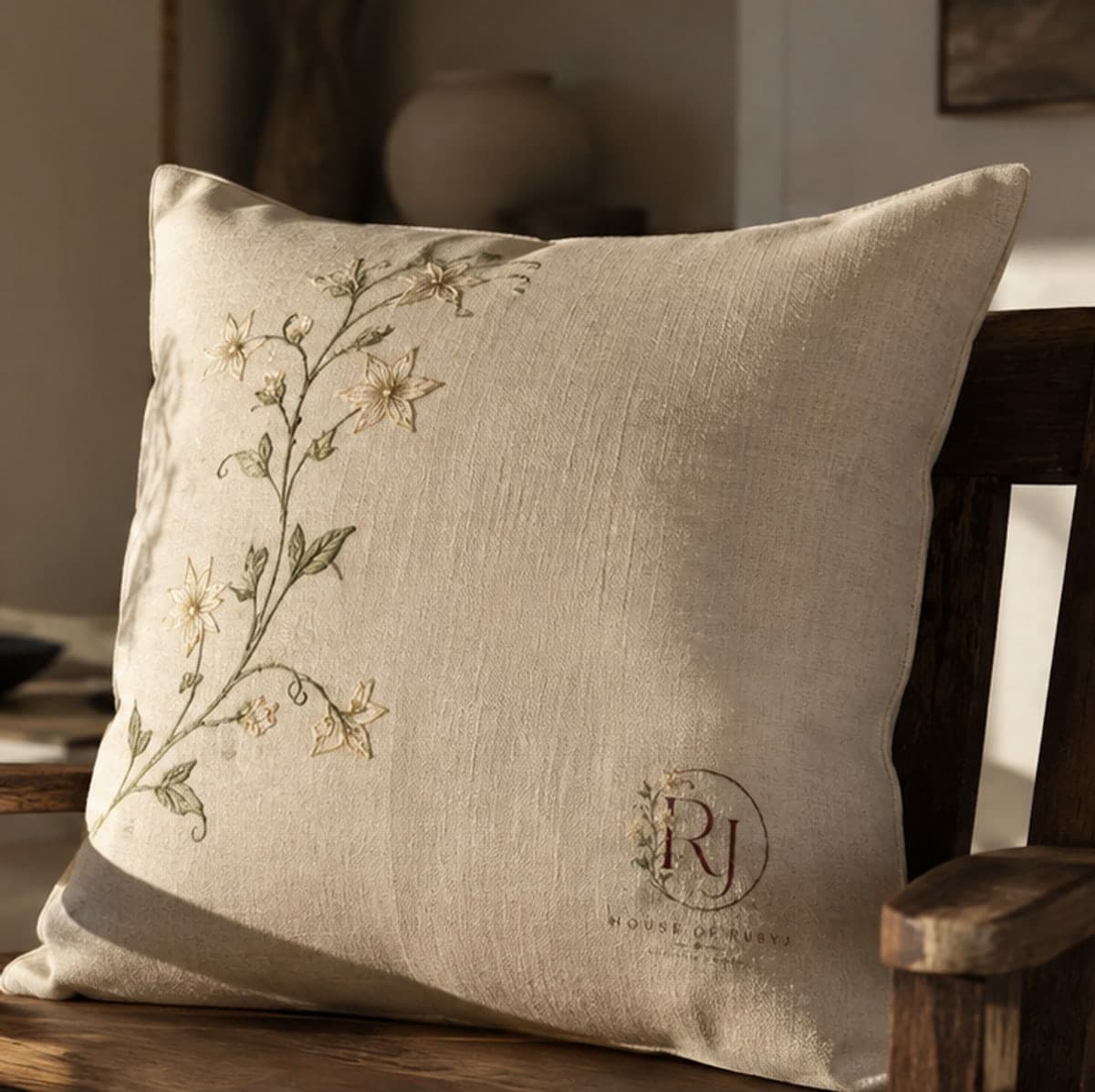 ×2.6 · the stitch itself
Hover to look closer
×2.6 · the stitch itself
Hover to look closer
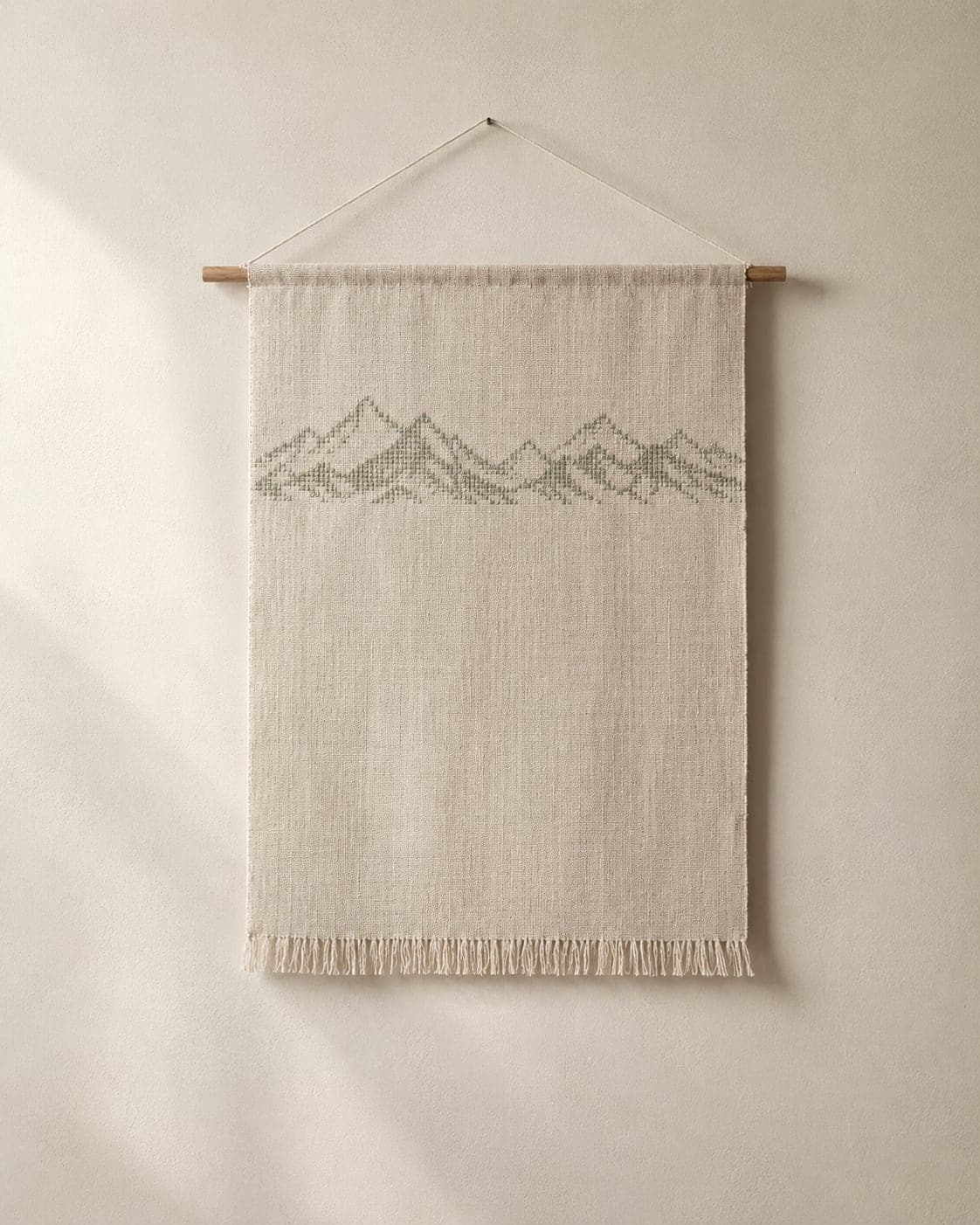 ×2.6 · the stitch itself
Hover to look closer
×2.6 · the stitch itself
Hover to look closer
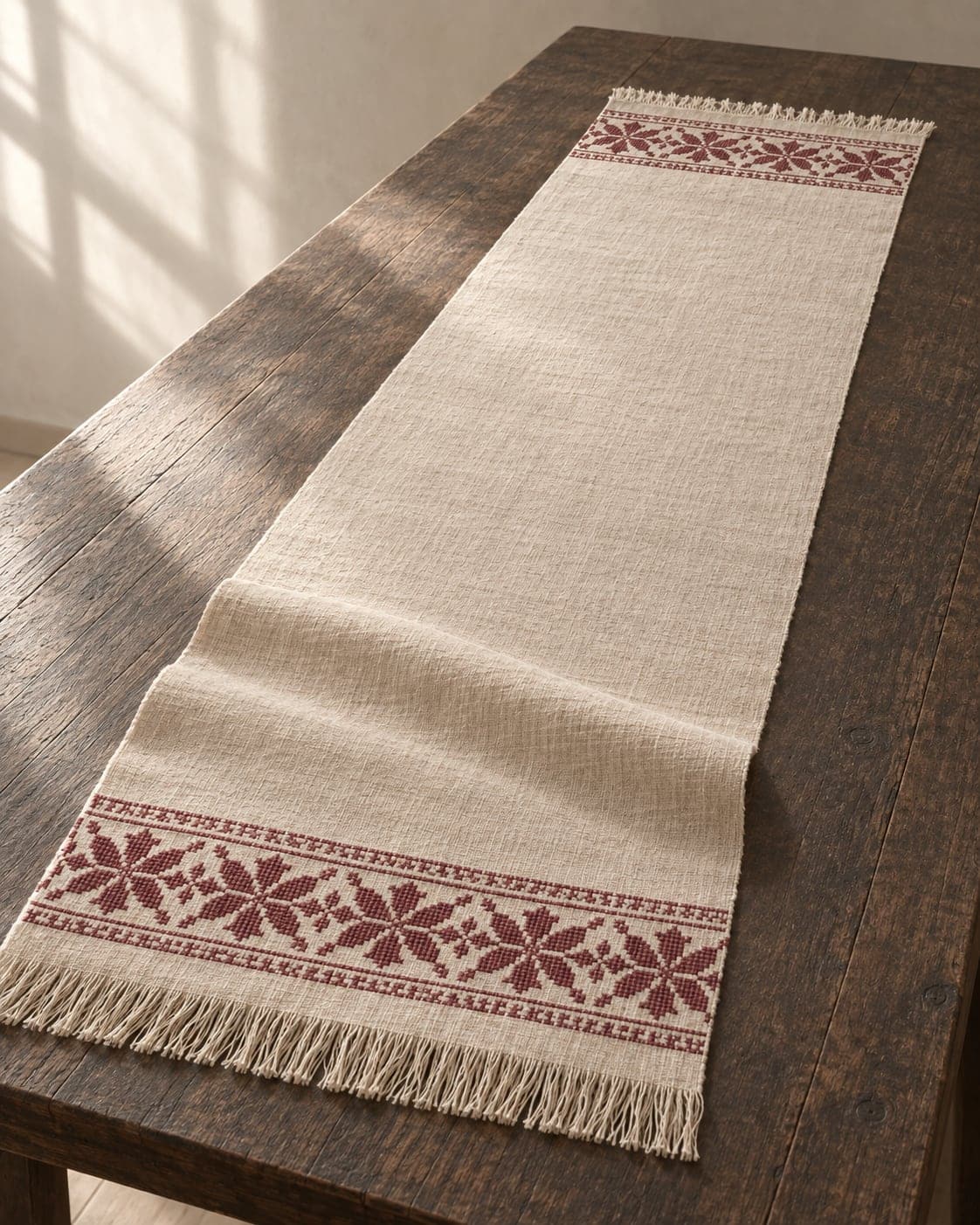 ×2.6 · the stitch itself
Hover to look closer
×2.6 · the stitch itself
Hover to look closer
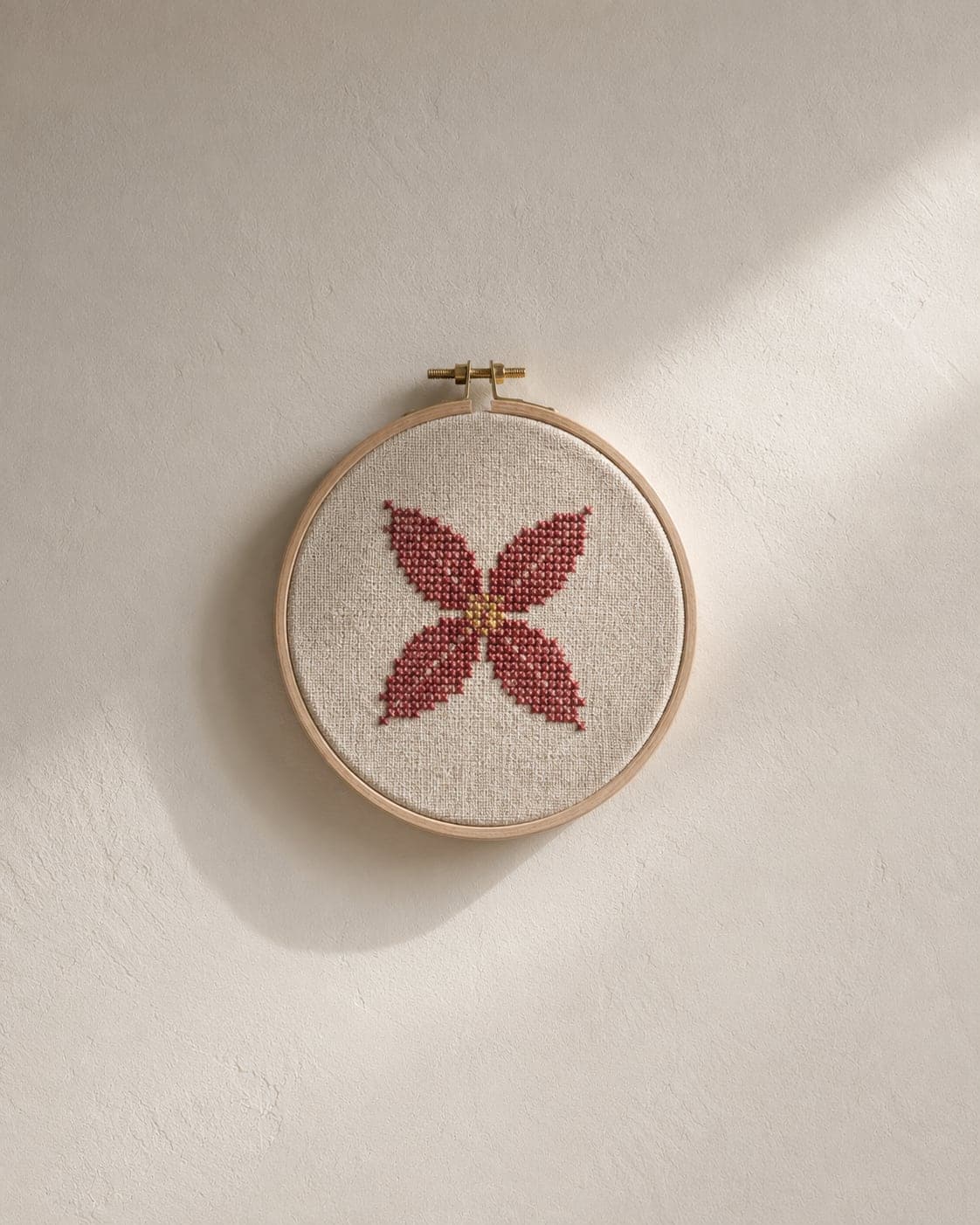 ×2.6 · the stitch itself
Hover to look closer
×2.6 · the stitch itself
Hover to look closer
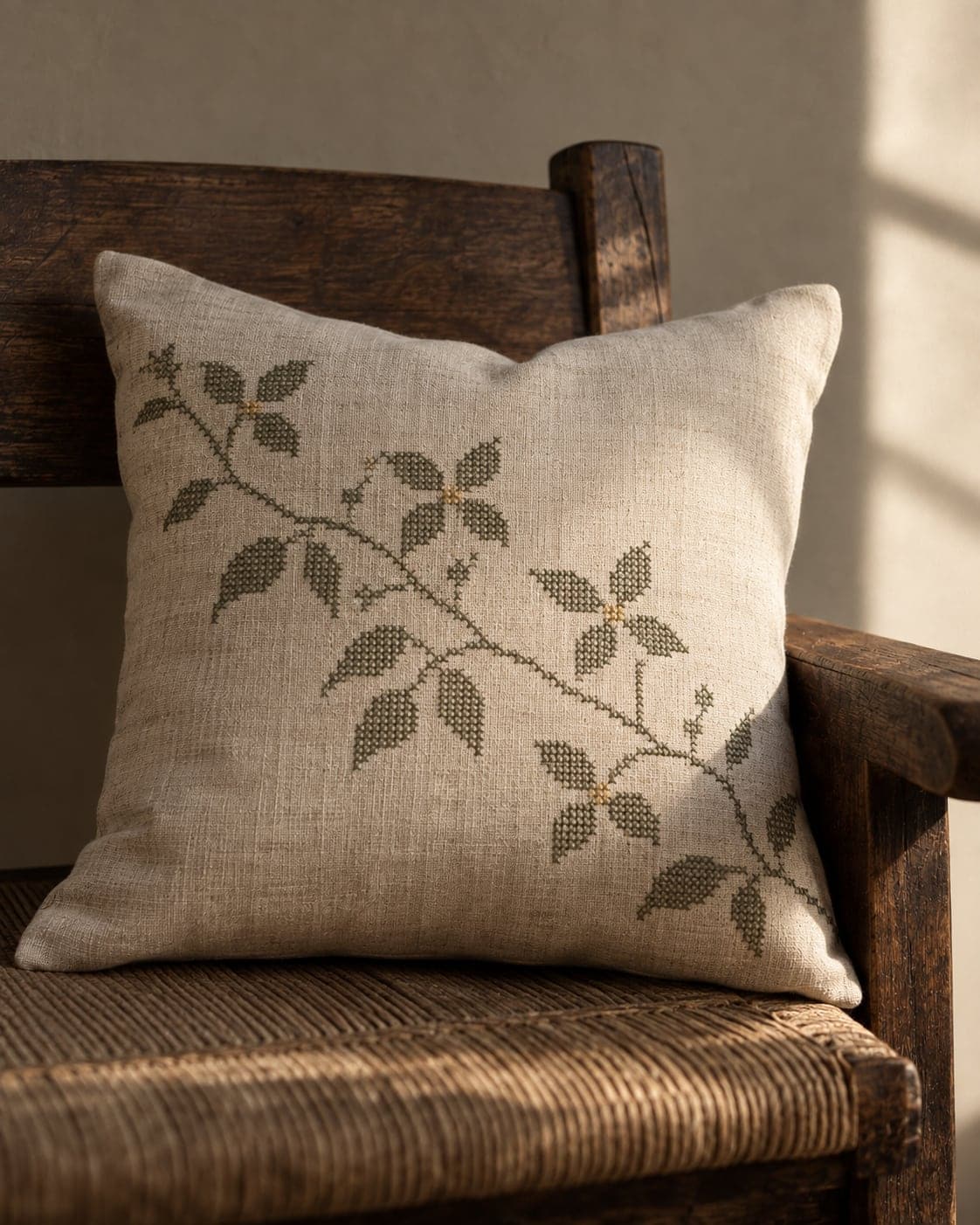 ×2.6 · the stitch itself
Hover to look closer
×2.6 · the stitch itself
Hover to look closer
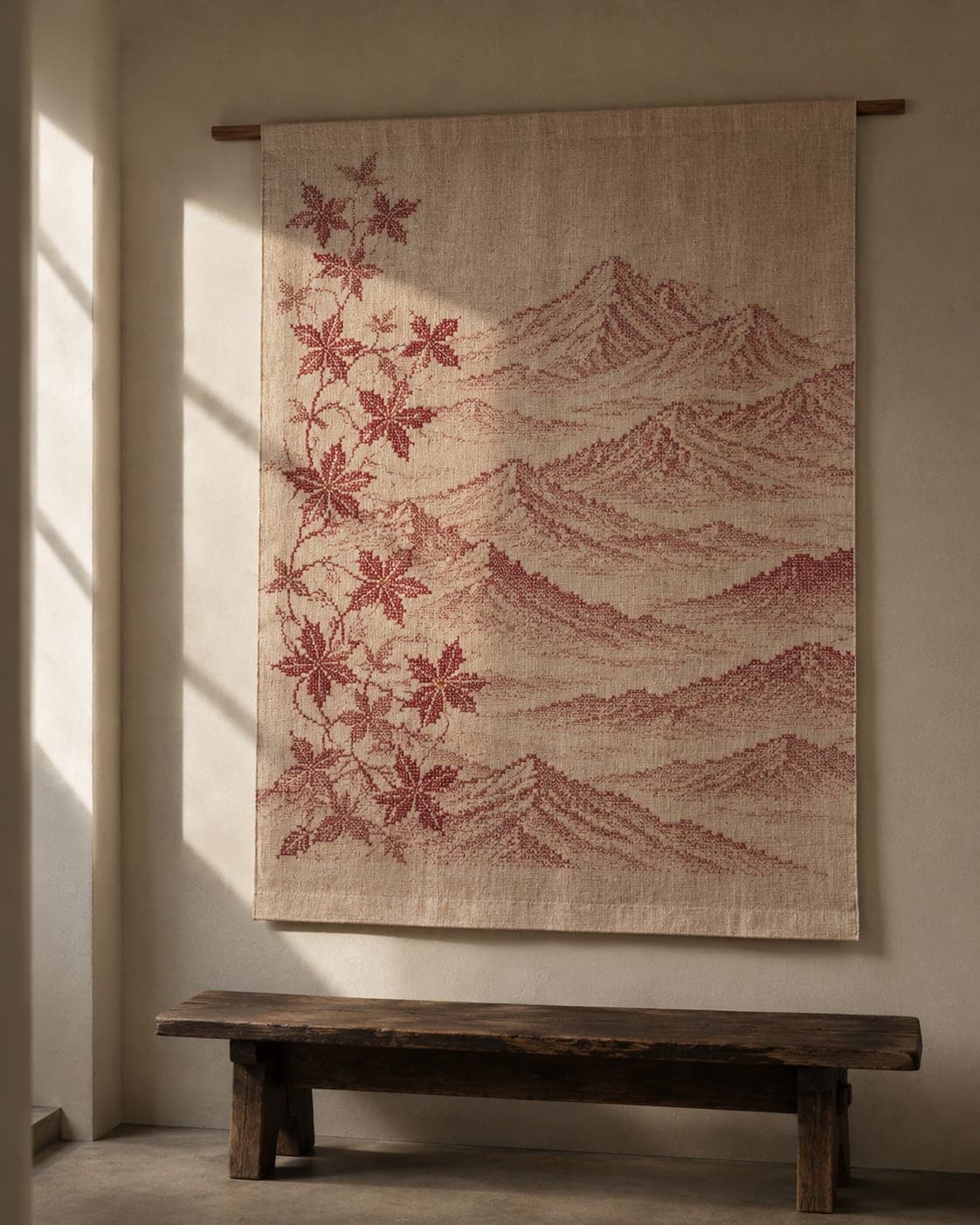 ×2.6 · the stitch itself
Hover to look closer
×2.6 · the stitch itself
Hover to look closer
Put it in the room
before you buy it
Choose a piece, choose a room, and drag it where it would actually go. Everything is shown at its real size against the room — a 45cm cushion face and a 180cm runner are not the same object, and this will not pretend they are.
A drawn plan, real photographs, and your piece at its true size in each of them. Sizes come from the measurement on the product and the scale of the room — not from a guess.
The same corner,
three kinds of weather


Linen is not one colour. It takes whatever light the room is giving it, which is the argument for putting a piece where you actually sit rather than where it photographs best.
Eleven thousand crosses,
one at a time
Scroll, and the linen fills at roughly the rate it fills in life — if a life were nine to fourteen days long and you were watching all of it.


What happens between
your order and your hallway
-
 01
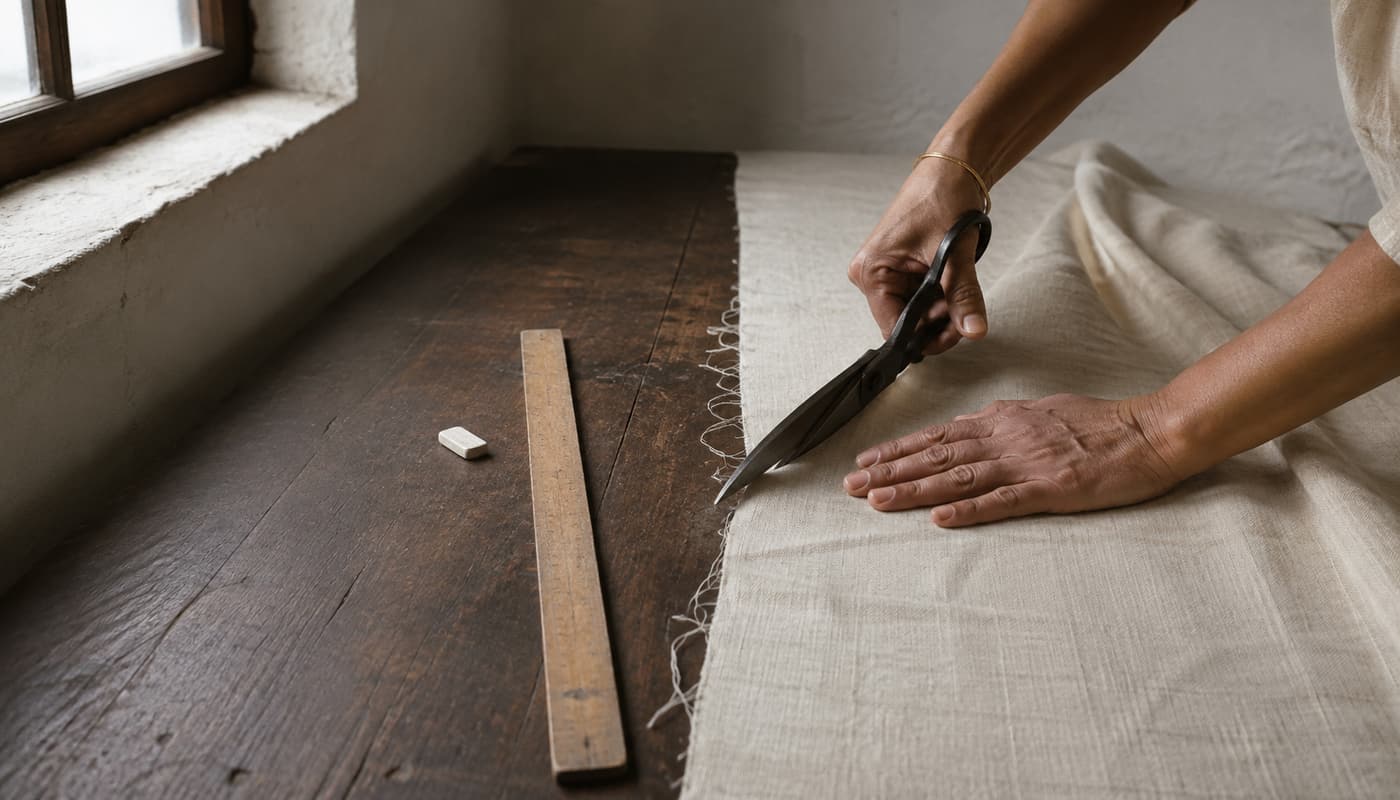
01Linen is cut in Satoli
Hand-woven cotton-linen from a weaving family two valleys over, cut and hemmed in the finishing room, then walked or driven out to whoever is next on the rota.
-
 02
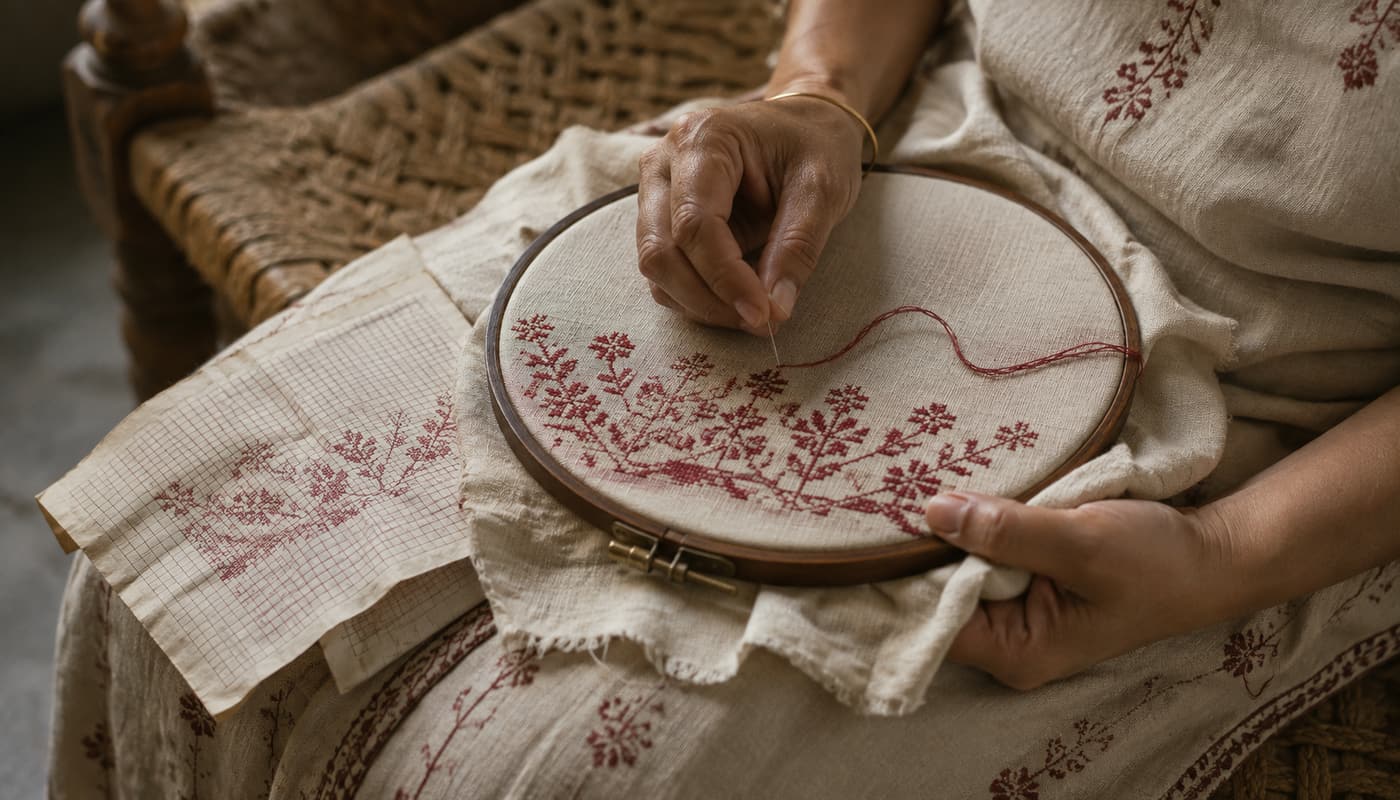
02Nine to fourteen days of stitching
Worked at home, in daylight, around everything else a day in the hills contains. A 45cm cushion face is roughly eleven thousand individual crosses.
-
 03
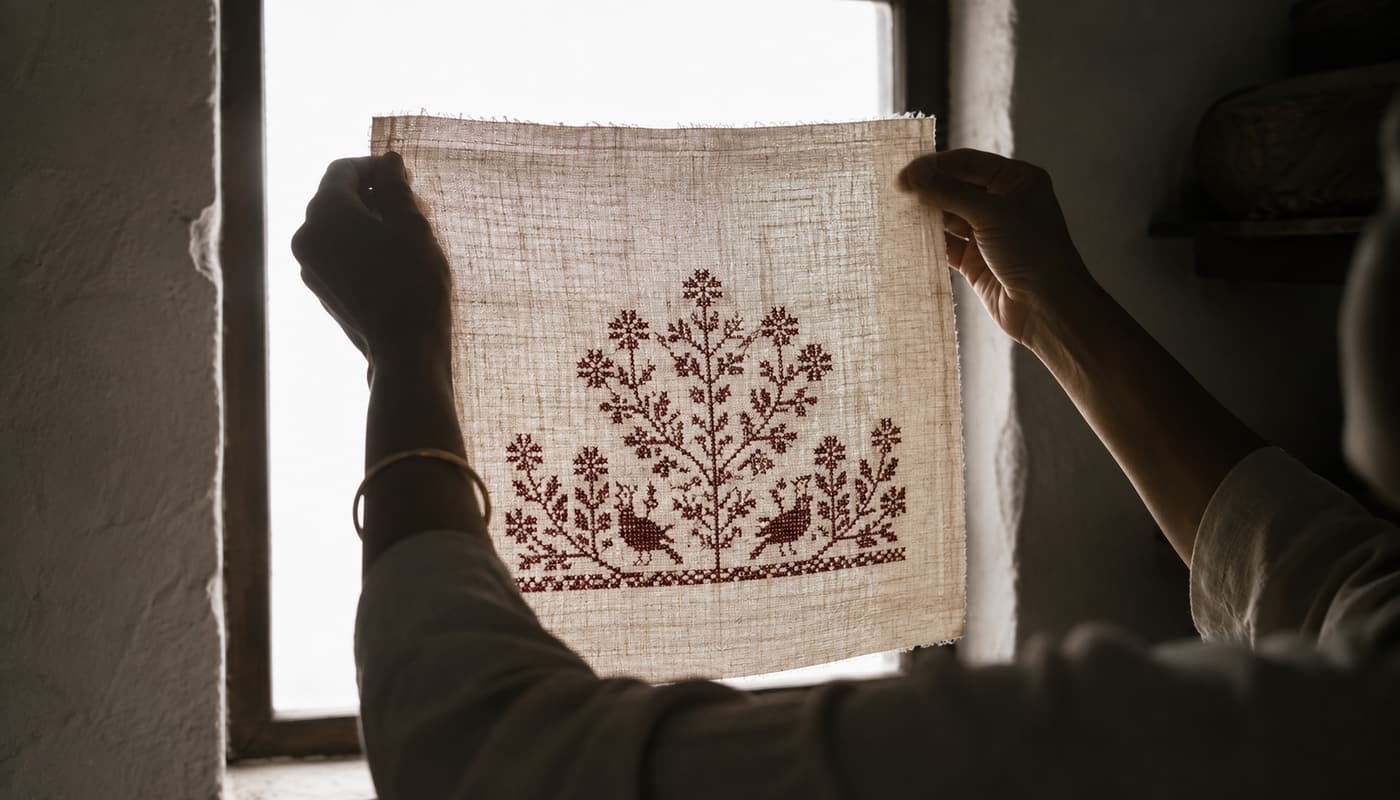
03Checked against the light
Every piece is inspected by the lead finisher against the window. Anything she would not have in her own room goes back, and the maker is still paid for the work.
-
 04
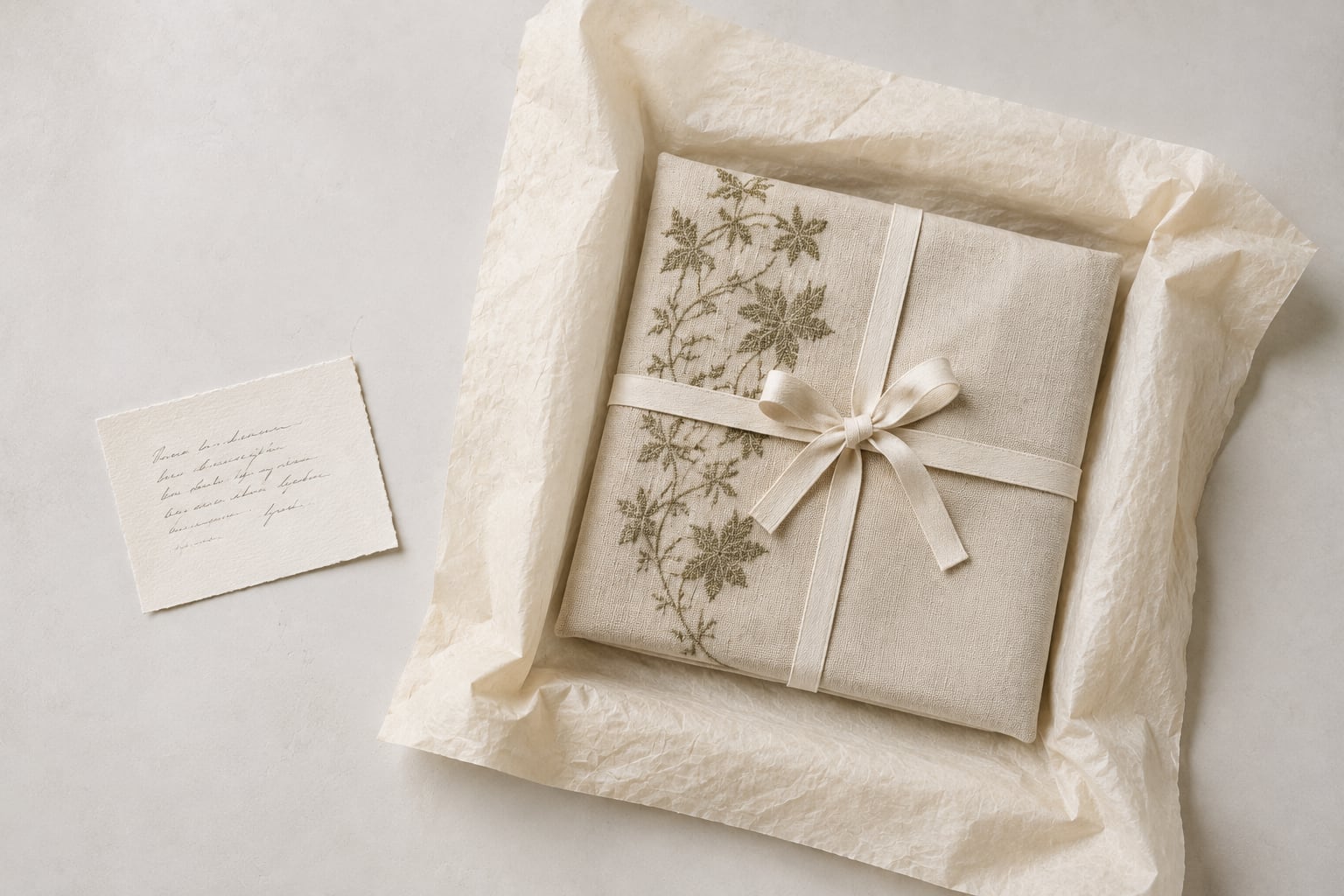
04Wrapped, signed, sent
Pressed, folded in unbleached tissue, tied with cotton tape, and slipped with a card carrying the maker's name and village. No plastic anywhere in the parcel.


